

What Are Circulated Silver Coins?
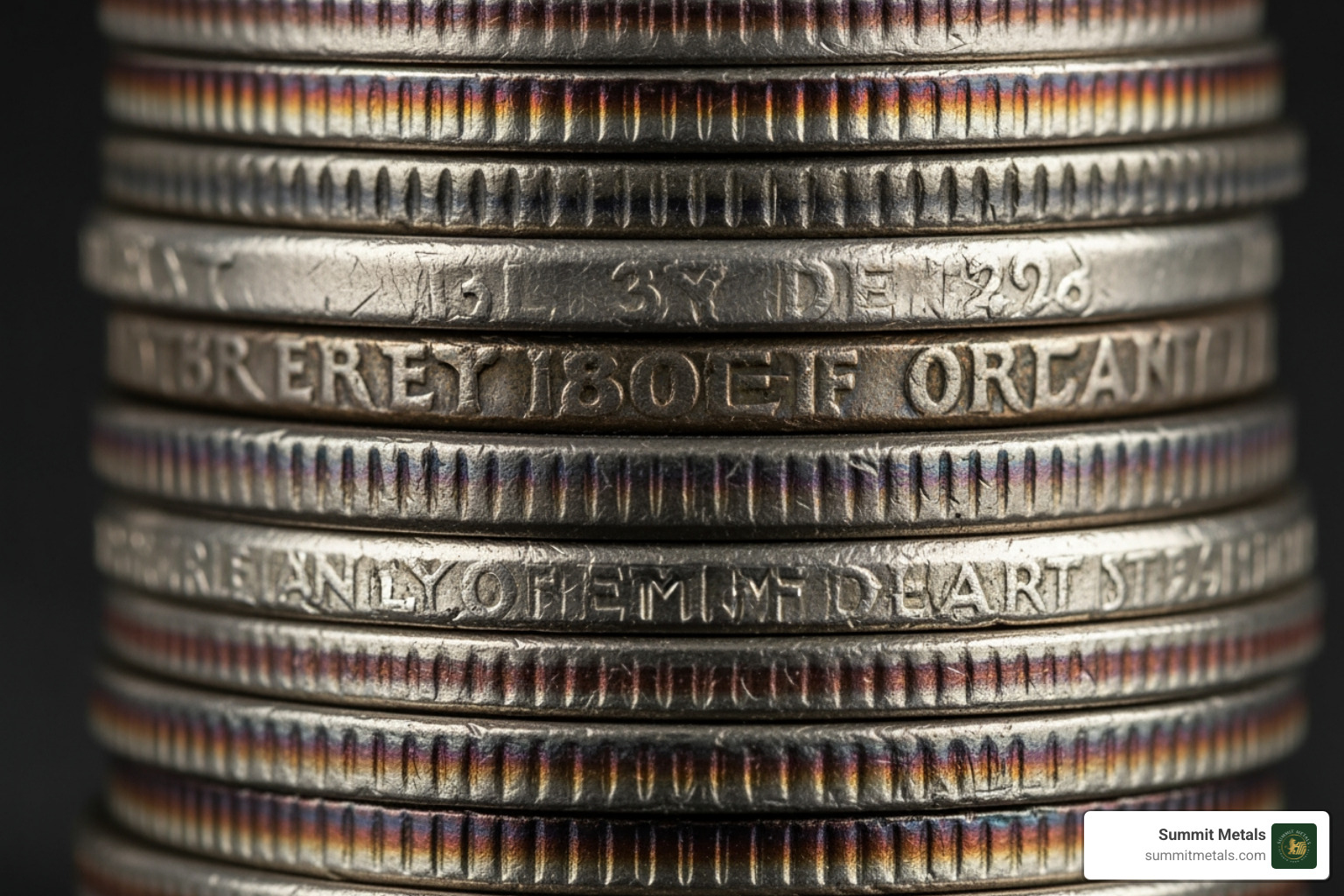
For those looking to blend history with tangible assets, circulated silver coins offer a unique path. These are coins that were once used as everyday money but are now valued for their precious metal content, rather than just their face value. They represent a fascinating intersection of numismatics and commodity investment.
Here's a quick breakdown of what makes them distinct:
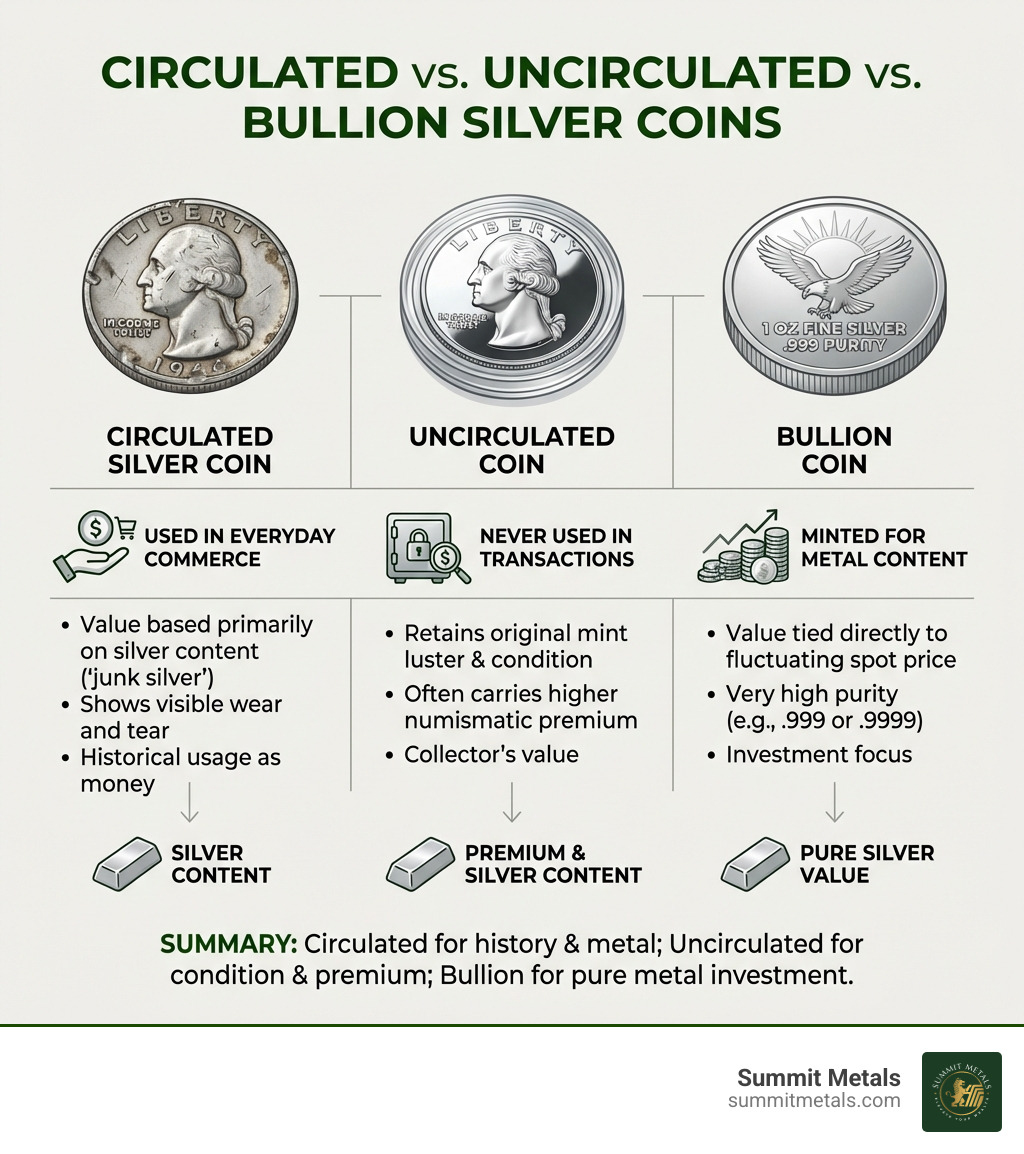
- Circulated Silver Coins: Official currency that contains silver and was used in everyday commerce. They show signs of wear and are valued primarily for their silver content, often called "junk silver."
- Uncirculated Coins: Coins that have never been used in transactions and retain their original mint luster and pristine condition. They often carry a higher numismatic premium.
- Bullion Coins: Coins minted specifically for their metal content (e.g., a 1 oz American Silver Eagle), not for daily use, and typically have very high purity.
Circulated silver coins typically contain a specific percentage of silver, making their value intrinsically tied to the fluctuating silver spot price. They served as legal tender for decades before their silver content became too valuable for them to remain in general circulation.
I'm Eric Roach. My background in Wall Street investment banking, coupled with deep insights into precious metals, helps individuals protect and grow wealth through assets like circulated silver coins. I'm here to guide you through understanding these unique pieces of history and investment.
Easy circulated silver coins glossary:
A Journey Through Time: The History and Types of US Circulated Silver Coins
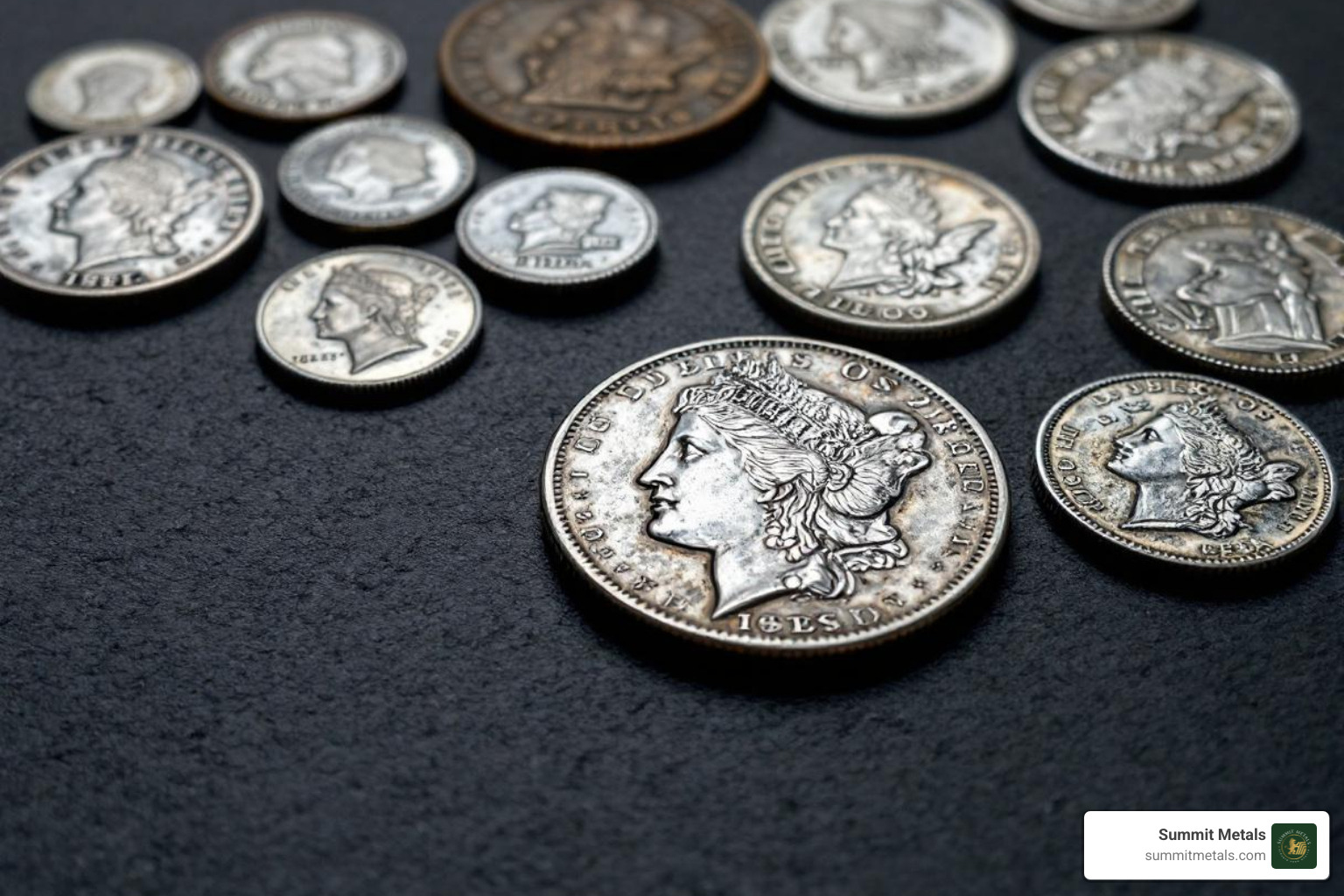
The story of US circulated silver coins is a tale woven with economic shifts, wartime necessities, and the evolving value of precious metals. For much of its history, the United States Mint produced coins with significant silver content, solidifying public trust in the currency. However, rising silver prices in the mid-20th century ultimately led to the metal's removal from most circulating coinage.
The pivotal moment arrived with the Coinage Act of 1965. Before this, silver coins were a common sight in pockets and purses. But as the industrial demand for silver grew and its market price surpassed the face value of the coins, people began hoarding them. The US Mint's primary goal was to ensure the smooth flow of commerce, and silver's disappearance from circulation threatened this. The solution? Remove the silver. This act marked a significant departure from centuries of silver coinage, replacing it with copper-nickel clad compositions that had no intrinsic metal value beyond their denomination. You can always Learn about the legislation that authorizes our coins and medals.
The Heyday of 90% Silver (Pre-1965)
Before 1965, the vast majority of US dimes, quarters, and half dollars were composed of 90% silver and 10% copper. The copper was added to provide durability, as pure silver would be too soft for everyday use. These "90% silver coins" are often referred to as "constitutional silver" or "junk silver" today, not because they are literally junk, but because their value is primarily derived from their silver melt content rather than numismatic rarity (though rare dates certainly exist!).
The US Mint offered denominations of half-dime, dime, quarter, half dollar, and dollar with silver content. Here are some of the most iconic examples:
- Morgan Silver Dollars (1878-1904, 1921): These majestic coins contain .7743 ounces of silver and are among the most collected series in the world. Named after their designer, George T. Morgan, they represent a significant era of US economic expansion. While many are highly collectible, even circulated examples are sought after for their silver content.
- Peace Silver Dollars (1921-1935): Issued to commemorate the peace after World War I, these dollars also contain 90% silver and are highly popular among collectors and investors.
- Mercury Dimes (1916-1945): Officially known as Winged Liberty Dimes, these beautiful coins feature a depiction of Liberty wearing a winged Phrygian cap, often mistaken for the Roman god Mercury. They are a beloved part of the 90% silver family.
- Walking Liberty Half Dollars (1916-1947): Designed by Adolph A. Weinman, this half dollar depicts Liberty striding towards the rising sun, symbolizing the nation's progress. Its iconic design makes it a favorite.
- Roosevelt Dimes (1946-1964): Following the Mercury Dime, the Roosevelt Dime continued the 90% silver composition until the change in 1965.
- Washington Quarters (1932-1964): The familiar Washington Quarter also contained 90% silver until the great debasement.
These 90% silver coins represent a golden age of American coinage, offering a tangible link to our nation's past and a reliable store of value today. For a deeper dive into their worth, check out A Comprehensive Guide to Junk Silver Value.
The Wartime Anomaly: 35% Silver "War Nickels"
World War II brought about unique challenges, including the need to conserve critical metals for the war effort. Nickel, a key component in the standard five-cent coin, was suddenly in high demand for armaments. To free up this strategic metal, the US Mint introduced the "War Nickel" from mid-1942 until the end of 1945.
These coins are a fascinating anomaly in the history of circulated silver coins. Instead of the usual copper-nickel alloy, War Nickels were made of an alloy consisting of 56% copper, 35% silver, and 9% manganese. This composition gave them a slightly different appearance and feel.
How do you spot a War Nickel? It's quite easy! Look for a large mint mark (P, D, or S) located above the dome of Monticello on the reverse side of the coin. This prominent mint mark was specifically added to distinguish them from their nickel-containing counterparts. These coins serve as a unique historical reminder of how even everyday currency can reflect global events.
The Transition Period: 40% Silver Coins
The transition away from silver coinage wasn't entirely immediate or complete. In the years following the 1965 Coinage Act, there was an intermediate stage where some coins still contained a reduced amount of silver. The most prominent example of this is the Kennedy Half Dollar.
- Kennedy Half Dollars (1965-1970): From 1965 to 1970, the Kennedy Half Dollar was issued with a 40% silver content. This made it the last US circulating coin to contain any silver. Its outer layers were 80% silver and 20% copper, bonded to an inner core of 21% silver and 79% copper, resulting in an overall 40% silver composition. After 1970, the Kennedy Half Dollar also transitioned to the copper-nickel clad composition.
- Eisenhower Dollars (1971-1978): While most Eisenhower Dollars were copper-nickel clad, the US Mint did issue 40% silver versions, but only as collector's items (proofs and uncirculated versions) and never for general circulation. They were a nod to the past, but not intended for everyday use. You can learn more about these fascinating pieces in Coining History: Where to Find Eisenhower Silver Dollars.
These 40% silver coins represent a bridge between the full silver era and the modern clad coinage, offering a unique niche for collectors and investors interested in the evolving story of US currency.
Investing in History: Why Choose Circulated Silver Coins?
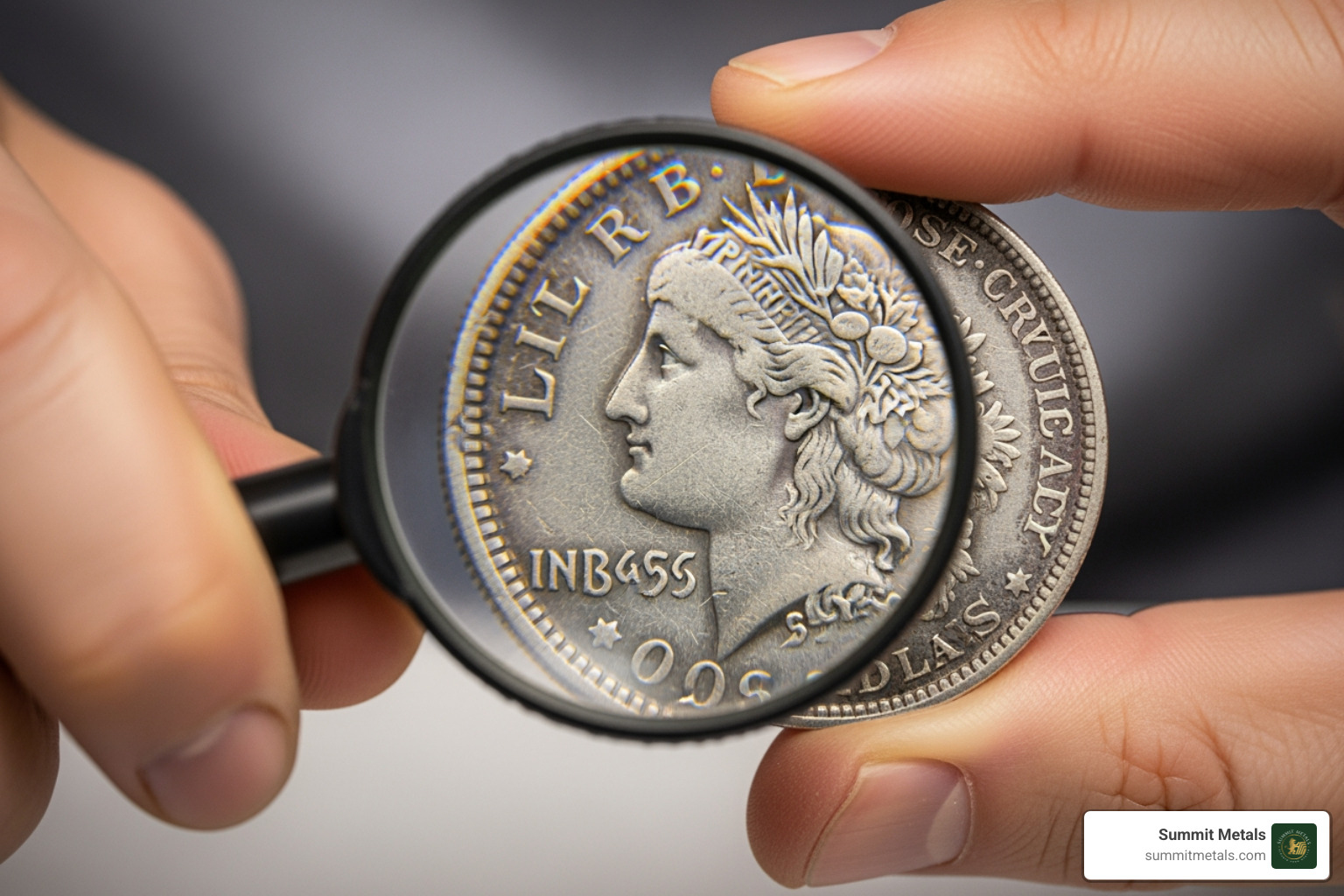
Why do so many investors and collectors turn to circulated silver coins? The answer lies in a compelling blend of affordability, historical significance, and tangible value. In a world of digital assets and fluctuating markets, the reassuring weight of silver in your hand offers a sense of security and a hedge against economic uncertainties.
Our team at Summit Metals, with our roots in Wyoming and a strong presence in Salt Lake City, Utah, understands the appeal of tangible assets. We believe that circulated silver coins are more than just old money; they're an accessible entry point into precious metals investing and a savvy way to diversify your portfolio.
The market demand and outlook for circulated silver coins remain robust. As silver prices continue to be a topic of interest, these coins offer a way to acquire physical silver at a relatively low premium over the spot price. They are generally considered a strong investment, particularly for those looking for a tangible asset that can appreciate in value over time. If you're wondering, Is Silver a Good Investment? For many, the answer is a resounding yes, especially when considering the affordability and historical aspects of circulated silver.
Affordability and Accessibility for Every Investor
One of the primary draws of circulated silver coins is their affordability and accessibility. Unlike high-premium bullion coins or rare numismatic pieces, junk silver allows you to accumulate physical silver without breaking the bank.
- Lower Premiums: Generally, the premium you pay over the silver spot price for circulated silver is lower than for modern bullion coins or bars. This means more of your investment goes directly into the precious metal itself.
- Divisibility: These coins come in small denominations (dimes, quarters, half dollars), making them highly divisible. This feature is invaluable for potential bartering scenarios or if you need to liquidate smaller amounts of silver.
- Ideal for New Investors: For those just starting their precious metals journey, circulated silver coins offer a low-risk, easy-to-understand entry point. You can begin building your stack with just a few dollars.
We at Summit Metals are big believers in consistent, disciplined investing. That's why we champion the Dollar-Cost Averaging (DCA) strategy, where you invest a fixed amount regularly, regardless of market fluctuations. Circulated silver coins are perfect for this approach! Consider promoting your financial fitness by using Summit Metals' Autoinvest program for monthly silver purchases, just like you would invest in a 401k. It's a smart way to build your silver stack steadily over time. Learn more about The Power of Dollar Cost Averaging in Gold and Silver Investments.
Here's a list of popular 90% silver coins that are great for beginners:
- Roosevelt Dimes (pre-1965)
- Washington Quarters (pre-1965)
- Kennedy Half Dollars (1964 only, for 90% silver)
- Franklin Half Dollars (1948-1963)
- Walking Liberty Half Dollars (1916-1947)
Understanding the Value of Your Circulated Silver Coins
When dealing with circulated silver coins, it's crucial to understand the two main components of their value: melt value and numismatic value.
- Melt Value: This is the intrinsic value of the silver contained within the coin, based on the current silver spot price. For most circulated silver coins, especially those in worn condition, the melt value is the primary driver of their price. To ascertain the melt value of a Morgan Dollar, for instance, you multiply the spot price of silver by its silver content, which is .7743 ounces. We recommend checking current silver spot prices regularly to stay informed.
- Numismatic Value: This refers to the value a coin holds beyond its melt content, driven by factors like rarity, historical significance, mint mark, and condition. While most junk silver is bought for its melt value, certain dates, mint marks, or coins in exceptionally good condition can command a significant numismatic premium. For example, a rare date Morgan Silver Dollar in uncirculated condition will be worth far more than its silver content.
The condition of circulated silver coins (wear and tear) directly affects their value. A coin that has seen heavy circulation, with worn details and scratches, will primarily be valued for its silver content. Conversely, a less circulated coin with clearer details might fetch a slightly higher premium. That's why it's important to Don't Get Scrapped: Uncover the True Value of Your Silver Coins.
The Strategic Advantage of Circulated Silver Coins
Beyond their intrinsic metal value and historical charm, circulated silver coins offer several strategic advantages for investors:
- Recognizability and Trust: These were once everyday currency, making them universally recognizable. This inherent trust can be a significant advantage, especially in times of economic uncertainty.
- Barter Potential: In a worst-case scenario or a localized crisis, the small denominations and widespread recognition of silver dimes, quarters, and half dollars could make them highly effective for bartering, far more so than large silver bars.
- Fraud Protection: Unlike generic silver rounds or bars that can be counterfeited, US circulated silver coins have distinct designs and characteristics that make them harder to fake convincingly, and they carry a legal tender face value backed by the government, offering an additional layer of security.
To illustrate these points, let's look at how circulated silver coins stack up against other forms of silver:
| Feature | Circulated Silver Coins (e.g., US 90% Silver) | .999 Fine Silver Bars (e.g., 1 oz, 10 oz) |
|---|---|---|
| Silver Purity | 90% (or 40%, 35%) | 99.9% (or higher) |
| Recognizability | High (former currency) | Moderate (generic designs) |
| Divisibility | Excellent (dimes, quarters, halves) | Limited (fixed bar sizes) |
| Barter Potential | High (small units, recognized) | Moderate (larger units, less recognized) |
| Legal Tender | Yes (face value) | No |
| Fraud Protection | Strong (historical designs, government-backed) | Moderate (rely on dealer reputation/testing) |
| Premium over Spot | Generally low to moderate | Generally low to moderate |
While the focus of this article is circulated silver coins, it's worth noting that these advantages also extend to other precious metal coins. For example, when considering gold, there's a similar benefit in choosing coins over bars:
| Feature | Gold Coins (e.g., Gold Eagle, Maple Leaf) | Gold Bars (e.g., 1 oz, 10 oz) |
|---|---|---|
| Legal Tender | Yes (face value) | No |
| Recognizability | High (government-minted) | Moderate (generic designs) |
| Fraud Protection | Strong (complex designs, government-backed) | Moderate (rely on dealer reputation/testing) |
| Premium over Spot | Often higher than bars (due to collectibility/security) | Generally lower than coins |
The legal tender status and intricate designs of government-issued coins, whether silver or gold, provide an extra layer of confidence and protection against counterfeiting, which is a significant factor for many investors.
A Buyer's and Seller's Guide to Circulated Silver
Acquiring and eventually selling your circulated silver coins requires a thoughtful approach. As a trusted precious metals dealer operating in Wyoming and Utah, we at Summit Metals are committed to guiding you through this process, ensuring you make informed decisions every step of the way.
How to Purchase Circulated Silver Coins with Confidence
When you're ready to add circulated silver coins to your portfolio, knowing where and how to buy is key.
- Reputable Dealers: This is paramount. Whether you're buying online or from a local coin shop, choose a dealer with a strong reputation for authenticity, fair pricing, and excellent customer service. Look for businesses with transparent pricing, clear return policies, and positive customer reviews. In areas like Salt Lake City, Utah, you'll find various options, but always do your due diligence.
-
Online vs. Local Coin Shops:
- Online: Offers convenience, often more competitive pricing due to lower overheads, and a wider selection. However, you'll need to account for shipping costs and ensure the dealer is trustworthy.
- Local: Allows for in-person inspection of coins, immediate transactions, and the opportunity to build relationships with local experts. Our team at Summit Metals is always happy to assist customers in Utah and Wyoming.
- Identifying Fakes: While less common with junk silver due to lower value, it's still good practice to be vigilant. Reputable dealers will guarantee authenticity. Learn the key characteristics of genuine US circulated silver coins, such as weight, diameter, and magnetic properties (silver is non-magnetic).
-
Understanding Coin Grades: For circulated silver coins, grades typically range from "Cull" (heavily damaged, barely recognizable) to "Very Fine" (VF) or "About Uncirculated" (AU) for better examples.
- Cull: Heavily worn, damaged, or cleaned. Valued strictly for melt.
- Good (G) / Very Good (VG): Significant wear, main features visible but flat.
- Fine (F) / Very Fine (VF): Moderate to light wear, some detail visible.
- About Uncirculated (AU): Slight wear on high points, almost full luster. These can carry a small numismatic premium. Knowing these terms helps you assess the condition and understand pricing. You can View the U.S. Mint's circulating coins for official information and designs. To avoid getting "fleeced," it's wise to read Finding the Most Reputable Online Silver Coin Dealers.
Your Exit Strategy: Selling and Ryan Test Your Coins
Investing in precious metals isn't just about buying; it's also about having a clear exit strategy. This means understanding how you'll eventually sell your circulated silver coins and any considerations for shipping.
- Importance of Liquidity: One of the key benefits of silver, especially in coin form, is its liquidity. You want to be able to convert your investment back into cash easily when the time comes. This is where reputable dealers shine, as they provide an established market for your holdings.
- Selling for Melt Value: For most circulated silver coins, you'll likely sell them based on their melt value, minus a small dealer fee. This is a straightforward process when dealing with a trusted buyer.
- Private Vault Storage for Secure Holding and Easy Liquidation: For those looking for maximum security and liquidity, private vault storage is an excellent option. Storing your precious metals in a secure, insured facility means they are protected, and when you're ready to sell, the process can be much faster as the metals are already verified and stored in a professional environment. We encourage you to explore secure storage solutions for your peace of mind.
- Ryan Test Considerations: If you're selling to an online dealer or shipping internationally, understanding shipping protocols is crucial. Insured shipping is a must for precious metals. When considering international sales, be aware of customs regulations and potential duties. For example, Learn More about U.S. customs changes highlights the complexities that can arise, even for our neighbors to the north. Always verify the rules for both the sending and receiving countries.
When the time comes to sell, Summit Metals offers a straightforward and transparent process. Consider selling your silver to a trusted buyer—Sell to Us for a seamless exit strategy, ensuring you get fair market value for your assets.
Frequently Asked Questions about Circulated Silver Coins
How much silver is in $1 face value of 90% silver coins?
This is one of the most common and important questions for investors in circulated silver coins! For US 90% silver coins (dimes, quarters, half dollars minted before 1965), a common rule of thumb is that $1.00 in face value contains approximately 0.715 troy ounces of pure silver.
This calculation is derived from the official weight and silver content of each coin. For example, a 90% silver dime contains 0.0723 troy ounces of silver, a quarter contains 0.1808 troy ounces, and a half dollar contains 0.3617 troy ounces. If you add up the silver content of two half dollars, four quarters, or ten dimes, you'll find it approximates 0.715 troy ounces per dollar of face value. This standard measure is often used when buying or selling "junk silver" in bulk bags.
Are circulated silver coins a good way to start investing?
Absolutely, yes! Our experience with investors in Wyoming and Utah shows that circulated silver coins are an excellent entry point into precious metals.
- Low Premiums: As we've discussed, they often carry lower premiums over the spot price compared to modern bullion.
- Small Denominations: Their divisibility into smaller units (dimes, quarters) makes them ideal for starting small and gradually building your holdings.
- Dollar-Cost Averaging: This affordability makes them perfect for a dollar-cost averaging strategy, where you invest a set amount regularly, smoothing out market fluctuations. This consistent approach is a cornerstone of smart investing. We highly recommend you consider Summit Metals' Autoinvest program to build your stack consistently, just like you would with a traditional retirement account.
Should I clean my old silver coins?
The short answer is a resounding no, please don't! While it might be tempting to make your old silver coins shiny, cleaning them is almost always detrimental to their value, especially if they have any numismatic potential.
Cleaning removes the coin's natural "patina" – the subtle toning that develops over decades or centuries. This patina is part of the coin's history and is highly valued by collectors. Once removed, it cannot be authentically restored. A cleaned coin is instantly recognizable to experienced collectors and dealers, and its value will drop dramatically, often reducing it to merely its melt value, regardless of its rarity or original condition. Preserve their history, and their value, by leaving them as they are.
Conclusion: Build Your Silver Stack with Confidence
Circulated silver coins offer a unique and compelling opportunity for both seasoned investors and those new to precious metals. They are a tangible link to history, a practical hedge against inflation, and an accessible entry point into silver. Their affordability, divisibility, and inherent recognizability make them a smart choice for diversifying your portfolio and protecting your wealth.
At Summit Metals, we're dedicated to helping you steer the exciting world of precious metals. Whether you're looking to start your silver stack, expand your existing holdings, or simply learn more, we're here to provide transparent pricing and competitive rates, serving our community in Wyoming and Utah.
Explore our extensive collection of Constitutional Silver and Junk Silver and start building your precious metals portfolio today. Remember to consider your exit strategy with our "Sell to Us" program and secure storage options for maximum liquidity and peace of mind. Your financial future is worth investing in, and we're here to help you every step of the way.


